When Roof and Gutter Cleaning Becomes Necessary for Your Property
Maintaining a property's exterior is an important responsibility for homeowners, landlords and those managing residential or commercial buildings. While attention is often given to walls, windows and general structural maintenance, roof drainage systems can sometimes receive less consideration until visible problems develop.
The roof and gutters work together to manage rainfall and direct water away from vulnerable areas of a building. When moss, leaves, twigs and other debris accumulate, they can interfere with drainage and create conditions that may gradually affect the surrounding structure.
Understanding when roof and gutter cleaning becomes necessary can help property owners recognise developing problems before they become more difficult to manage. Regular observation and appropriate maintenance can support effective drainage, preserve the condition of exterior surfaces and reduce avoidable disruption.
These considerations are equally relevant throughout the UK. Seasonal rainfall, falling leaves, moss growth and general environmental debris can affect buildings in both urban and rural settings.
Recognising the Early Signs of Roof and Gutter Problems
Roof drainage systems are designed to collect rainwater and direct it towards suitable outlets. When these systems become restricted, water may begin collecting in areas where it would normally flow freely.
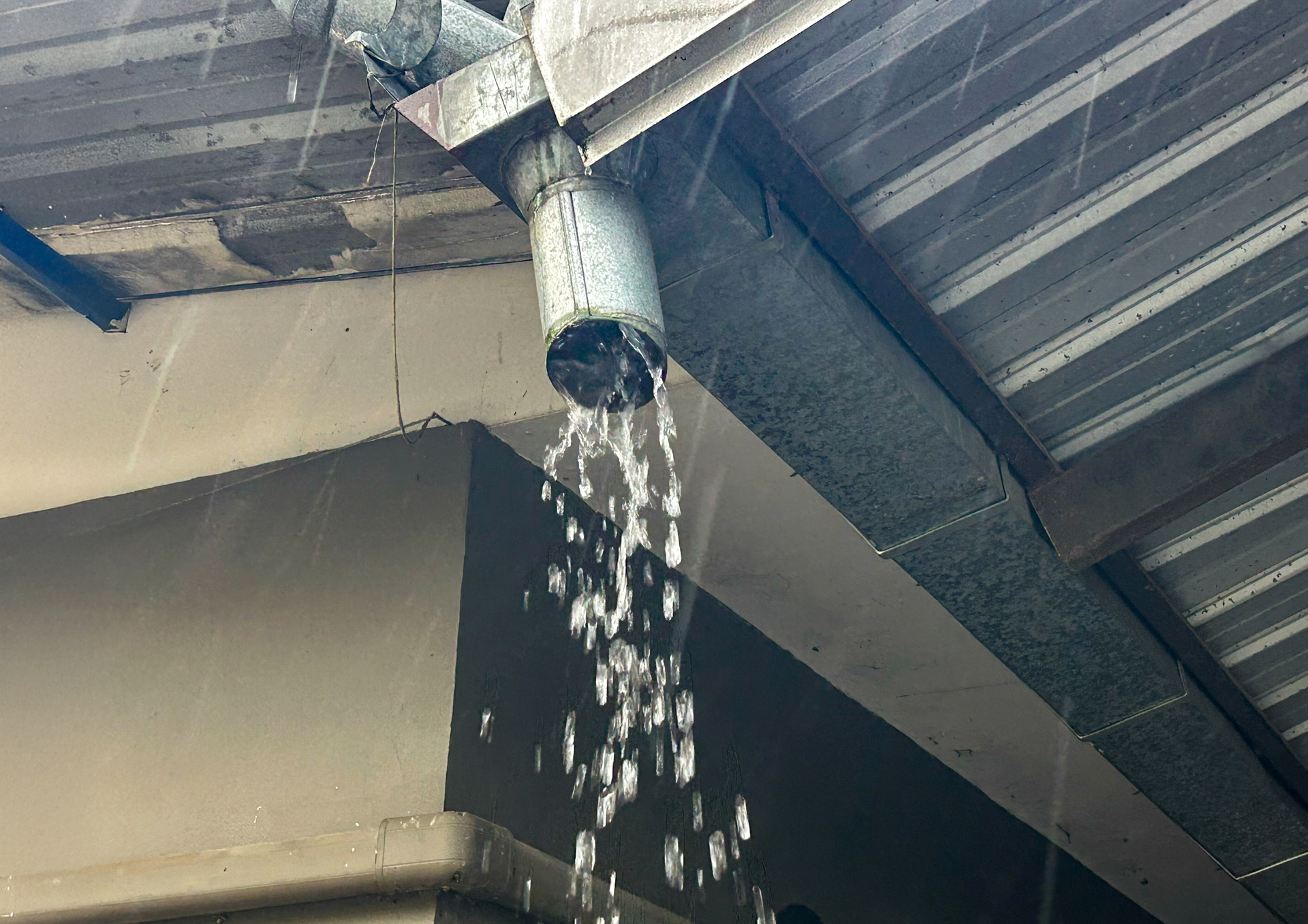
One of the most common signs of a developing problem is water overflowing from the gutter during rainfall. This may indicate that leaves, moss or sediment have accumulated inside the channel or around a downpipe outlet.
However, visible overflow is not the only indication that maintenance may be necessary. Some drainage problems develop gradually, particularly where debris collects in sections that cannot easily be seen from ground level.
Professional roof gutter cleaning can become appropriate when the system shows signs of persistent obstruction, reduced drainage or substantial material accumulation. Several warning signs deserve attention.
Water Overflowing During Rainfall
When gutters become blocked, rainwater may spill over their edges instead of travelling towards the downpipes. This can cause water to run down external walls, splash against surrounding surfaces or collect near the building.
Occasional overflow during exceptionally heavy rainfall does not automatically indicate a blockage. However, repeated problems during ordinary rainfall may suggest that the drainage system requires attention.
Visible Moss and Vegetation
Moss growing along roof coverings can gradually loosen and enter the gutters. Over time, this material may combine with leaves and sediment, forming deposits that restrict water movement.
Small plants growing directly from the gutter are another indication that organic material has remained inside the channel long enough to support vegetation.
Staining on External Walls
Water escaping from blocked gutters may repeatedly run over the same section of brickwork, render or cladding. Over time, this can contribute to visible staining, algae growth and persistent dampness around affected surfaces. Although these signs can have several causes, checking the drainage system is a sensible starting point.
Sagging or Misaligned Gutters
Gutters containing substantial amounts of wet debris may experience additional weight. Existing weaknesses in brackets, joints or fixings can become more noticeable when channels remain heavily loaded.
A sagging section may also prevent water from travelling towards the intended outlet. Cleaning alone will not correct damaged components, but identifying these issues can help property owners arrange suitable repairs.
Unusual Water Accumulation
Water collecting beneath gutter joints, around downpipe outlets or near external walls may indicate that drainage is not functioning as intended.
Observing where water travels during rainfall can provide useful information about the areas requiring further investigation. Recognising these signs early allows property owners to respond before relatively minor drainage restrictions become more disruptive.
Common Situations That Make Professional Maintenance Necessary
The need for gutter maintenance depends on several environmental and structural factors. Some properties experience frequent debris accumulation, while others remain relatively clear for longer periods.
A professional rain gutter cleaning service may be particularly useful when the following circumstances affect a building:
- Properties surrounded by mature trees: Falling leaves, twigs and seeds can collect inside gutters, particularly during autumn. Buildings positioned beneath overhanging branches may require more frequent attention.
- Roofs affected by moss growth: Moss can gradually detach from tiles and other roof coverings, entering gutters and restricting outlets. Persistent accumulation may indicate that both roof condition and drainage require assessment.
- Buildings with complicated roof layouts: Dormers, extensions, conservatories and adjoining structures can create several separate gutter runs. These sections may collect debris at different rates.
- Properties with limited maintenance history: Newly purchased buildings, rental properties and commercial premises may have drainage systems that have not been checked for an extended period.
- Homes experiencing repeated overflow: Water spilling from gutters during normal rainfall can suggest that channels or downpipe outlets are obstructed.
- Buildings undergoing exterior improvements: Roofing work, renovation projects and other property alterations can introduce dust, fragments and construction debris into drainage channels.
- Commercial premises with extensive roof areas: Larger buildings may contain long gutter runs, multiple outlets and drainage sections that require organised maintenance.
- Properties exposed to persistent seasonal debris: Wind, rainfall and nearby vegetation can contribute to gradual accumulation throughout the year.
These circumstances do not necessarily mean that every property requires immediate cleaning. The condition of the drainage system should determine the appropriate response.
For example, a house surrounded by mature trees may experience significant leaf accumulation every autumn, while another property in an open setting may require less frequent attention.
Similarly, two neighbouring buildings can have different maintenance requirements because of their roof design, orientation and previous upkeep.
Landlords and property managers should consider the condition of each building individually rather than applying the same maintenance schedule across an entire portfolio.
For local authorities and organisations responsible for multiple premises, periodic inspections can help identify buildings where recurring drainage problems may require additional attention. A planned approach makes it easier to prioritise properties according to their actual condition and exposure to environmental debris.
Understanding How Roof Debris Affects Gutter Performance
The relationship between roof condition and gutter performance is particularly important when assessing exterior maintenance requirements. Roof coverings are constantly exposed to rainfall, wind, temperature changes and airborne debris. Over time, leaves, moss, sediment and small particles can move towards the guttering as rainwater travels down the roof.
When considering gutter roof cleaning, property owners should understand that material accumulating on roof surfaces can eventually affect the drainage channels below. Moss is a common concern on some tiled roofs, particularly where sections remain shaded or damp for extended periods.
Although moss growth does not automatically mean that a roof is damaged, substantial deposits can retain moisture and gradually release material into the gutter system. As this material accumulates, it may combine with decomposing leaves and sediment to create dense deposits.
These deposits can reduce the space available for water to move through the channel. During rainfall, water may then travel more slowly towards the outlet or collect behind an obstruction. Downpipe entrances are particularly vulnerable because debris can gather where the gutter narrows towards the drainage opening.
Even when the visible length of a gutter appears relatively clear, material concentrated around an outlet may interfere with normal water movement.
Roof design also influences how debris travels.
Steeper roof slopes can encourage loose material to move towards the gutter, while valleys and adjoining roof sections may concentrate rainfall and debris into particular drainage areas. Extensions and dormers can create additional collection points that require separate consideration.
For commercial buildings, the situation may be more complicated because larger roof surfaces can direct substantial volumes of water towards several drainage outlets. Property owners should also distinguish between cleaning requirements and structural defects.
A blocked gutter may require debris removal, whereas a cracked channel, damaged bracket or poorly aligned section may need repair or replacement.
Similarly, visible roof deterioration should be assessed independently rather than assuming that removing moss or debris will resolve the underlying issue.
Appropriate cleaning methods are important. Roof coverings and gutter materials vary, and unsuitable techniques can damage tiles, seals, joints or protective finishes.
Working at height also presents significant risks. Property owners should avoid attempting to access difficult roof areas without suitable equipment, training and appropriate safety arrangements.
Understanding the connection between roof condition and drainage performance helps establish a more complete approach to maintaining the building exterior.
Practical Maintenance Measures for Different Property Types
A suitable maintenance routine should reflect the characteristics of the property rather than follow a fixed schedule without considering its condition.
For homeowners, this may involve observing gutter performance during rainfall and arranging professional attention when visible debris or drainage problems develop.
For landlords, surveyors and local authorities, a more structured approach may be useful, particularly where several buildings require ongoing maintenance.
Regular gutter washing can form part of wider exterior property care where appropriate, although the method used should reflect the gutter material, condition and type of accumulation.
The following measures can support effective maintenance planning:
- Observe gutters during rainfall: Look for repeated overflow, water escaping from joints or unusual accumulation near external walls. These signs may indicate that drainage is restricted.
- Check for visible vegetation: Moss, weeds and small plants growing from gutters can suggest that organic material has accumulated over time.
- Consider seasonal changes: Autumn leaf fall and periods of persistent rainfall can increase the likelihood of debris accumulation and expose existing restrictions.
- Assess nearby trees: Properties beneath overhanging branches may require more frequent inspections than buildings surrounded by open space.
- Review maintenance records: Keeping details of previous work can help identify recurring problems and establish suitable inspection intervals.
- Include garages and extensions: Smaller roof areas can have separate drainage channels that should not be overlooked.
- Consider building accessibility: Upper-storey gutters, enclosed courtyards and sections above conservatories may require specialist access arrangements.
- Arrange suitable professional assistance: Where gutters are difficult to reach or substantial debris is present, experienced personnel can assess the work and determine an appropriate method.
- Identify damaged components: Loose brackets, leaking joints and misaligned channels should be considered separately from routine debris removal.
- Review drainage after maintenance: Observing the system during subsequent rainfall can help identify whether water is travelling along its intended route.
These measures are relevant to both residential and commercial buildings. For a family home, the main concern may be preventing overflowing water from affecting external walls, paths and surrounding surfaces.
For rental properties, regular inspections can support ongoing maintenance responsibilities and help identify developing problems between tenancies.
Surveyors may consider drainage conditions as part of a wider assessment of the building exterior, particularly where staining, deterioration or water accumulation is visible.
Local authorities and commercial property managers may benefit from documenting inspection findings and prioritising buildings with recurring drainage concerns. Maintenance should also account for the age and condition of the guttering.
Older systems may contain worn joints, weakened brackets or sections that no longer align correctly. In these circumstances, cleaning may improve water flow but will not necessarily resolve defects affecting the structure of the drainage system.
A balanced approach involves identifying what the building requires, selecting appropriate maintenance methods and responding to signs of deterioration before they become more serious.
Maintaining roof drainage systems is an important part of protecting residential and commercial properties from avoidable water-related problems.
Leaves, moss, sediment and other debris can gradually accumulate, restricting drainage and contributing to overflow, staining and persistent moisture around vulnerable building surfaces.
Recognising early warning signs allows homeowners, landlords, surveyors and local authorities to make informed decisions about when maintenance may be appropriate. Property height, roof design, surrounding vegetation and previous maintenance history all influence how frequently attention may be required.
In Rotherham, the variety of residential and commercial buildings means that maintenance requirements can differ considerably between properties. The same principle applies throughout the UK, where environmental conditions and individual building characteristics determine the most suitable approach.
Regular roof and gutter cleaning, combined with sensible planning and professional assistance where necessary, can help maintain effective drainage, reduce the likelihood of recurring blockages and support the long-term condition of the property.
Gutter Cleaning Rotherham provides a practical and professional approach to maintaining roof drainage systems for residential and commercial properties. We understand that every building has different requirements, whether it is a terraced house, detached property, rental accommodation, office or larger commercial premises.
Our approach to roof and gutter cleaning focuses on understanding the condition of the property, identifying areas where debris may be affecting drainage and considering the most suitable maintenance requirements. We recognise that roof height, gutter layout, accessibility and surrounding vegetation can all influence the work involved.
We aim to provide clear communication and straightforward guidance for homeowners, landlords, surveyors and local authorities. By considering the individual characteristics of each building, we help customers understand the practical steps involved in keeping their drainage systems clear and manageable.
Whether you are arranging routine property maintenance or responding to visible signs of obstruction, our focus is on dependable assistance, sensible recommendations and supporting the ongoing care of your property.
Check out our latest X update on when
roof and gutter cleaning becomes necessary to help protect your property.
Gutter Cleaning Rotherham
01709 912 628
2 Millmoor Lane
Rotherham, S60 1HB
United Kingdom
You might also like