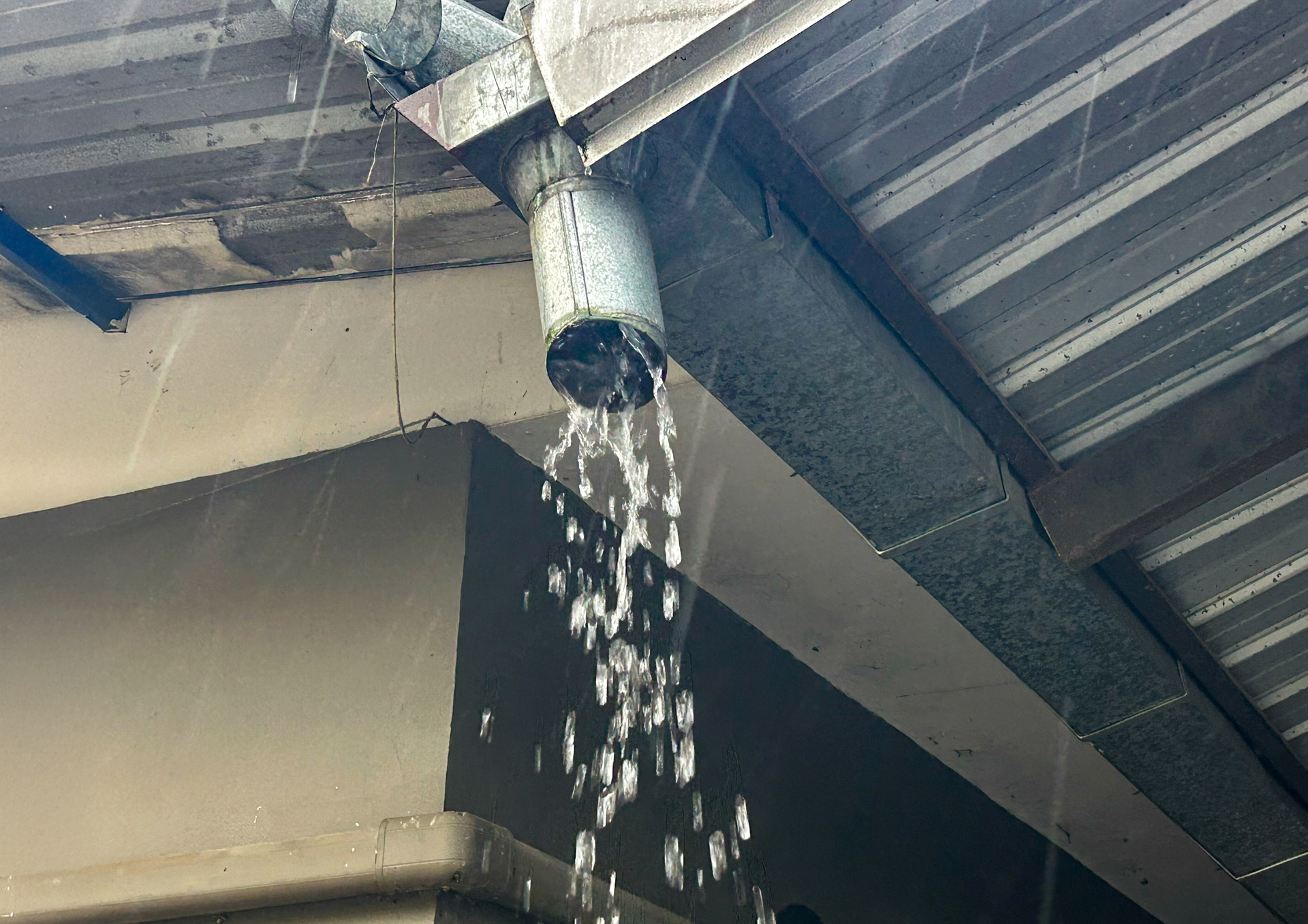
A Practical Guide to Understanding Your Gutter Cleaning Costs Today
Gutters are an important part of a property's drainage system, helping rainwater travel from the roof towards suitable drainage points. When leaves, moss, twigs and sediment collect inside the channels, water may no longer move through the system as effectively as intended. Routine maintenance can therefore play an important role in keeping gutters clear and manageable.
Understanding gutter cleaning cost can help property owners plan maintenance more effectively and recognise why the amount charged can differ between buildings. There is rarely a single figure that applies to every property because the work required depends on factors such as building height, gutter length, accessibility, roof design and the amount of accumulated material.
This is particularly relevant in Rotherham, where residential and commercial buildings vary considerably in age, size and construction. Terraced houses, semi-detached homes, larger detached properties, shops, offices and other premises can each present different maintenance requirements.
The same considerations apply throughout the UK. Rather than judging a service entirely by the amount quoted, it is useful to understand what influences the work involved. This provides homeowners, landlords, surveyors and local authorities with a clearer basis for comparing services and planning ongoing property maintenance.
How Property Size and Gutter Layout Can Affect the Work
One of the most noticeable differences between properties is the amount of guttering installed around the building. A compact house with straightforward rooflines may have relatively short gutter runs, while a larger detached property can have channels extending around several elevations, garages and extensions.
For this reason, gutter cleaning prices can vary according to the overall size and complexity of the drainage system. Longer gutter runs naturally provide more space for leaves, moss and sediment to accumulate, while additional corners, joints and outlets may increase the amount of attention required.
Property height is another consideration. Gutters fitted to a bungalow or single-storey extension are positioned differently from those on a two- or three-storey building. Where several roof levels are present, the work may involve approaching different sections separately rather than working along one continuous level.
The design of the roof can also influence the overall task. Dormers, extensions, porches and adjoining structures can create separate drainage areas. A property that appears modest from the front may therefore have considerably more guttering around the rear or sides.
Commercial buildings can present different requirements again. Shops, offices, residential blocks and other premises may have longer rooflines or several drainage outlets. Larger sites can also contain separate structures that need to be considered as part of the maintenance plan.
The amount of work required is therefore better understood by looking at the complete building rather than simply considering its floor area. Two properties with similar internal dimensions may have very different roof layouts and drainage arrangements.
Surrounding conditions also matter. A building positioned close to mature trees may collect leaves more frequently, while roofs with noticeable moss growth can gradually shed organic material into the gutters. These factors can increase the amount of debris even when the gutter system itself is relatively simple.
Providing accurate property information before arranging maintenance can help establish what is likely to be involved. Details about the number of storeys, extensions, garages and approximate gutter layout can be particularly useful when discussing the work.
Important Factors That Can Influence the Overall Charge
The condition of a gutter system can vary considerably depending on how frequently it has been maintained and the environment surrounding the property. A lightly affected system may contain loose leaves and small amounts of sediment, while neglected gutters can contain compacted organic material that has accumulated over several seasons.
For customers comparing gutter cleaning near me prices, considering the following practical factors can provide a clearer understanding of why quotations may differ:
- Length of the gutter system: Longer channels generally require more time to inspect and clear than shorter gutter runs.
- Building height: Upper-storey gutters can involve different access requirements compared with those positioned on garages, extensions or single-storey properties.
- Amount of debris: Loose leaves may be relatively straightforward to remove, while compacted moss, soil and decomposed vegetation can require additional attention.
- Number of roof sections: Dormers, extensions, garages and separate roof areas can increase the number of individual sections requiring maintenance.
- Access around the property: Narrow passages, conservatories, boundary walls, outbuildings and restricted rear gardens can influence how particular sections are approached.
- Downpipe outlets: Material can accumulate around outlets and prevent water from leaving the gutter efficiently, even when surrounding sections appear relatively clear.
- Surrounding vegetation: Properties close to trees may experience more frequent accumulation of leaves, seeds and twigs.
- Previous maintenance: Gutters that receive routine attention may contain less material than systems that have not been checked for several years.
These considerations explain why neighbouring properties can require different levels of work. Even houses built to a similar design may experience different conditions because of nearby vegetation, extensions, roof alterations or previous maintenance.
It is also important to establish exactly which parts of the property are included. A quotation might relate only to the main building unless garages, extensions or other structures have been discussed beforehand.
Access should be considered early as well. Conservatories, enclosed courtyards, narrow passages and sloping ground can affect the practical approach to certain sections. Providing this information before work begins can help ensure that suitable arrangements are considered.
Property owners do not necessarily need detailed technical knowledge of their drainage system. Basic information about the building, combined with any visible signs of obstruction, can provide a useful starting point when arranging maintenance.
Why Debris, Access and Maintenance History Make a Difference
The amount and type of material inside gutters can significantly affect the work involved. Leaves are among the most familiar causes of accumulation, particularly during autumn, but they are only one source of debris.
Moss can gradually loosen from roof coverings and enter the channels. Small twigs, seeds, roof sediment and airborne material can also collect over time. Once exposed to repeated rainfall, organic matter may begin decomposing and forming a dense layer along the bottom of the gutter.
This is worth considering when researching rain gutter cleaning prices, as two properties with similar gutter lengths can require very different amounts of work depending on the condition of their drainage systems.
A recently maintained gutter may contain relatively loose material that has accumulated over a short period. By comparison, a system that has received little attention for several years can contain compacted deposits or even vegetation growing from accumulated organic matter.
Access can further influence the practical requirements. Gutters above open driveways or gardens may be relatively straightforward to approach, whereas sections above conservatories, extensions or narrow side passages can present additional considerations.
Property height also plays a role. A building with several roof levels can require different approaches for different sections. Rear extensions and converted roof spaces may create drainage channels positioned at heights that differ from the main roofline.
Maintenance history is particularly useful when assessing a property. Homeowners who have lived in the same building for several years may already know which sections collect leaves quickly or where moss tends to accumulate. That information can be useful when arranging future maintenance.
Landlords and property managers may not always have the same level of historical information, particularly when taking responsibility for a new property. In these circumstances, establishing the condition of the drainage system can help create a suitable maintenance plan.
Surveyors and local authorities responsible for multiple buildings may also benefit from maintaining records. Recording previous maintenance dates and recurring problem areas can make it easier to identify properties that may require more frequent attention.
Seasonal changes should be considered as part of this planning. Autumn leaf fall can create rapid accumulation around tree-lined streets, while periods of heavy rainfall can expose drainage sections that are struggling to cope with restricted flow.
Regular observation can help property owners recognise changes before they develop into substantial obstructions. Visible vegetation, water spilling over the gutter edge or unusually slow drainage around outlets can indicate that attention may be required.
What to Consider Before Booking Professional Maintenance
Before arranging a service, it can be helpful to gather basic information about the property. This does not require specialist knowledge. Simple observations about building height, roof layout, access and visible debris can help establish the likely scope of the work.
For customers researching an eavestrough cleaning price, the following points can be useful when preparing to request a quotation:
- Identify the number of storeys. Knowing whether the property is single-storey, two-storey or taller provides useful information about gutter height.
- Consider extensions and garages. Additional roof areas can contain separate gutter runs that may need to be included.
- Check surrounding access. Narrow passages, conservatories, walls and enclosed gardens may affect how some sections can be reached.
- Look for nearby trees. Mature trees can increase the volume of leaves and organic debris entering the drainage system.
- Think about previous maintenance. Knowing approximately when the gutters were last cleared can provide an indication of potential accumulation.
- Mention visible problems. Overflowing water, plants growing from gutters or obvious debris can help identify areas requiring particular attention.
- Clarify which sections are included. Establish whether the work covers the entire building or only specified elevations.
- Consider the wider property. Detached garages, outbuildings and commercial extensions may have their own drainage systems.
Clear communication before work begins can help avoid uncertainty about what has been included. This is particularly useful for larger properties where several separate gutter systems may be present.
Landlords managing rental properties can benefit from keeping basic maintenance records for each building. This makes it easier to track when gutters were last attended to and whether particular sections regularly experience accumulation.
Commercial property managers can take a similar approach. Buildings with extensive roof areas may contain numerous outlets and downpipes, making organised maintenance particularly useful.
Homeowners can also observe how their property behaves during rainfall. Water should generally follow the intended drainage route rather than spilling over the edges of the gutter. Changes in drainage behaviour can provide an early indication that material may be restricting the system.
However, visible overflow is not the only reason to consider maintenance. Partial accumulation can develop gradually without producing an obvious problem during light rainfall. Periodic attention can therefore be useful even where the system appears to be functioning normally.
Understanding Value Beyond the Initial Quotation
Price is naturally an important consideration when arranging property maintenance, but the lowest figure does not necessarily provide the clearest indication of what is included. Understanding the scope of the work can be equally important.
The gutter cleaning cost should be considered alongside the characteristics of the property and the amount of work required. A larger building with several roof levels and substantial debris will naturally present different requirements from a small property with straightforward access.
Property owners can therefore benefit from comparing the scope of different quotations rather than focusing entirely on the final amount. Knowing whether garages, extensions and all elevations are included can make comparisons more meaningful.
Clear communication is particularly valuable where a building has unusual features. Extensions, conservatories, narrow access routes and several roof levels should ideally be discussed beforehand so the requirements are understood.
The frequency of maintenance can also influence long-term planning. Buildings surrounded by mature trees may need attention more regularly than properties in open surroundings. Similarly, roofs that naturally shed moss into the drainage system may require closer observation.
There is no single schedule suitable for every property. The appropriate frequency depends on the building, surrounding environment and how quickly debris returns after previous maintenance.
Keeping simple records can make this easier. Property owners can note when maintenance was completed, which areas contained the greatest accumulation and whether particular sections tend to become obstructed first.
This approach can be particularly useful for landlords, surveyors and organisations responsible for multiple premises. Instead of treating every property identically, maintenance can be planned according to the conditions experienced at each building.
Ultimately, understanding value involves looking at the complete service and the practical requirements of the property. Clear information and sensible planning can help customers make more informed decisions about maintaining their roof drainage systems.
Gutter maintenance can vary substantially from one property to another. Building height, roof design, access conditions, surrounding vegetation and the amount of accumulated debris all influence how straightforward or involved the work may be.
Properties across Rotherham demonstrate the variety found throughout the UK, from terraced and semi-detached homes to larger residential buildings, shops and commercial premises. Each type of property can have different drainage arrangements and maintenance requirements.
Homeowners, landlords, surveyors and local authorities can benefit from considering gutter maintenance as part of wider property care. Providing accurate information about a building and understanding the scope of proposed work can make it easier to compare quotations and plan future maintenance.
Regular observation is also useful. Recognising areas that repeatedly collect debris or become restricted can help establish a maintenance routine that reflects the individual property rather than relying on a general schedule.
Gutter Cleaning Rotherham provides professional support for residential and commercial property owners who want a straightforward approach to maintaining their roof drainage systems. We consider the individual characteristics of each building, including its height, layout, access conditions and the extent of accumulated material.
Our approach focuses on clear communication and practical planning. When discussing gutter cleaning cost, we consider the requirements of the individual property so customers can better understand the factors that may influence the work involved.
Whether the property is a family home, rental building, commercial premises or part of a larger portfolio, we recognise that drainage systems differ from one building to another. Our aim is to provide dependable assistance while helping customers understand the practical considerations involved in keeping gutters clear and manageable.
Check out our latest X update for a practical guide to understanding
gutter cleaning cost and the key factors that can influence what you pay.
Gutter Cleaning Rotherham
01709 912 628
2 Millmoor Lane
Rotherham, S60 1HB
United Kingdom
You might also like